2026 Guide to Sustainable and Sterile Kitchen Textiles
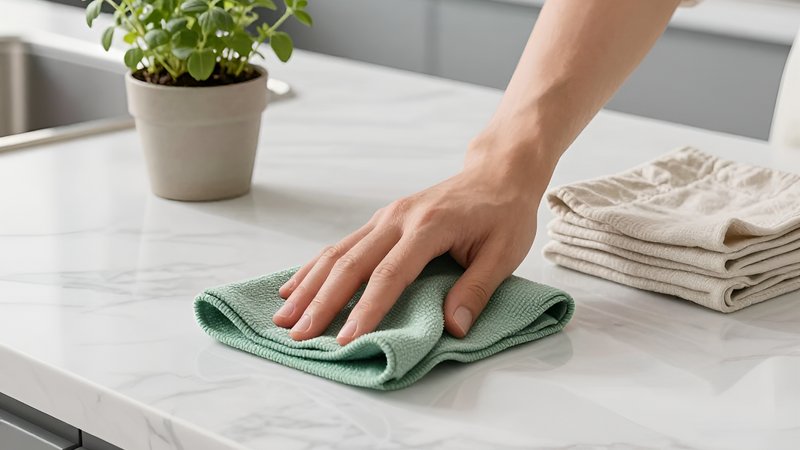
The intersection of sustainability and hygiene has become the primary focus for modern homeowners in 2026. For too long, the industry relied on disposable paper towels to ensure cleanliness, leading to millions of tons of landfill waste. Silver-ion infused kitchen linens offer a permanent solution, combining the durability of high-end textiles with the sterility of a medical-grade environment. This shift toward reusable, antibacterial fabrics is redefining the eco-friendly kitchen.
Reducing the Carbon Footprint of Kitchen Cleaning
Switching from disposable paper rolls to silver-ion infused linens drastically reduces household waste. A single set of high-quality antibacterial towels can replace up to 12 rolls of paper towels per year. Because the silver ions prevent the growth of odor-causing bacteria, these linens require fewer high-temperature washes, which significantly lowers the energy consumption of your laundry appliances over the long term.
Moreover, the production of silver-ion textiles in 2026 has shifted toward recycled organic cotton and bamboo blends. By combining these sustainable bases with permanent silver infusion, we create a product that lasts five times longer than standard cotton. This longevity means fewer replacements and a smaller manufacturing footprint, aligning your kitchen hygiene goals with global environmental preservation efforts.
The Economics of Investing in Permanent Antimicrobials
While the initial cost of silver-ion linens is higher than basic cotton, the cost-per-use is significantly lower. Standard towels often develop a 'sour' smell within days, leading users to discard them or wash them daily. Silver-infused fabrics resist this degradation, meaning you buy fewer sets per decade. In 2026, the average household saves approximately $120 annually by switching from disposables to permanent antibacterial linens.
Additionally, the durability of the silver-ion bond means the fabric doesn't fray or thin as quickly as treated textiles. The silver actually helps stabilize the fiber structure against certain types of microbial decay. When you calculate the lifespan of a premium Ibiza Towel versus a supermarket multipack, the value proposition becomes clear: you are investing in a tool, not a consumable.
Waste Reduction
Eliminate thousands of paper towel sheets per year per household.
Energy Savings
Fewer hot-water washes needed due to inherent odor resistance.
Long-term Value
Higher upfront cost offset by a 5x increase in product lifespan.
Maintaining Sterility Without Harsh Chemicals
Traditional kitchen cleaning often involves bleach or strong disinfectants that damage the environment and irritate the lungs. Silver-ion technology provides a passive form of sterilization that works 24/7 without the need for chemical sprays. This is particularly beneficial in homes with children or pets, where reducing the volume of volatile organic compounds (VOCs) in the air is a priority for health.
By utilizing the natural antimicrobial properties of silver, you can maintain a sterile surface using only water and mild soap. The silver ions handle the microscopic battle, while the fabric handles the physical dirt. This synergy allows for a 'green' cleaning protocol that doesn't sacrifice the safety of the food preparation area, proving that eco-friendly and sterile are no longer mutually exclusive.
- Eliminate bleach-based towel soaking
- Reduce VOC emissions in the kitchen
- Lower water usage per cleaning cycle
- Avoid synthetic fragrance-based antimicrobial sprays
- Support biodegradable textile bases
Future Trends in Bio-Active Kitchen Linens
Looking ahead in 2026, we see a move toward 'smart' linens that combine silver ions with moisture-sensing fibers. These textiles can signal when they have reached a saturation point where the silver ions are less effective, prompting a change. This ensures that the user is always operating at peak hygiene levels without having to guess when a towel has become too contaminated to be useful.
We are also seeing an integration of silver ions with graphene for faster drying times. Faster drying means less time for bacteria to attempt colonization, amplifying the effect of the silver. As these technologies merge, the kitchen towel evolves from a simple piece of cloth into a sophisticated piece of health equipment, ensuring that the heart of the home remains a safe space for the family.
Sustainability Fact: One silver-ion linen can divert roughly 400 paper towels from landfills annually.