Stopping Cross-Contamination: 2026 Kitchen Hygiene Guide
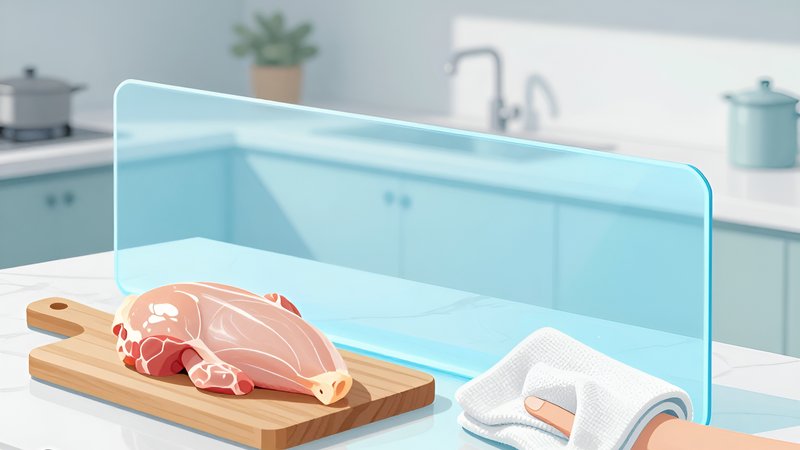
Maintaining a sterile cooking environment in 2026 requires more than just soap and water. Most homeowners overlook the humble tea towel, which often acts as a highway for E. coli and Salmonella to move from raw poultry to clean countertops. By integrating silver-ion infused linens into your daily routine, you create an active barrier that neutralizes microbes on contact. This guide explores how to strategically deploy antibacterial textiles to eliminate hidden danger zones in high-traffic residential kitchens.
The Science of Silver-Ion Neutralization
Silver ions work through a process called oligodynamic action, where positively charged silver particles bind to the negatively charged cell walls of bacteria. Once attached, they penetrate the cell membrane and disrupt the metabolic processes, effectively preventing the microbe from reproducing or surviving on the fabric surface. Unlike chemical coatings that wash away after three cycles, our 2026 silver-infused fibers are embedded deep within the yarn for permanent protection.
This mechanism is particularly vital when dealing with damp environments. Traditional cotton towels retain moisture, creating a perfect breeding ground for mildew and odors. Silver-ion technology actively suppresses these organic growths, ensuring that your linens stay fresh even in humid climates like Miami or Bangkok. By switching to these advanced textiles, you reduce the reliance on harsh bleach solutions that can degrade fabric integrity over time.
Strategic Towel Placement for Maximum Safety
To truly stop cross-contamination, you must designate specific zones for different tasks. We recommend a three-tier system: one dedicated towel for drying hands, one for drying sanitized dishes, and a separate heavy-duty cloth for wiping spills. Using a silver-ion infused linen for the hand-drying station prevents the transfer of bathroom bacteria into the food preparation area, which is a common failure point in home hygiene.
When wiping surfaces, the antibacterial properties ensure that you aren't simply pushing bacteria around the granite. Instead, the silver ions work to neutralize the residue left behind. For the best results, pair these linens with a high-grade microfiber blend that traps particulates while the silver ions handle the microscopic threats. This dual-action approach ensures a surgical level of cleanliness in a domestic setting.
Hand Station
Place silver-ion towels near the sink to stop the spread of external germs.
Dish Zone
Use dedicated antibacterial linens to ensure glassware remains sterile.
Surface Prep
Wipe counters with infused cloths to kill lingering food-borne pathogens.
Managing the Lifecycle of Antibacterial Linens
Even with silver-ion technology, proper maintenance is key to longevity. In 2026, we recommend washing these linens at 40 degrees Celsius to preserve the structural integrity of the silver bonds. Avoid using fabric softeners, as they create a waxy coating over the fibers that can shield bacteria from the silver ions, effectively neutralizing the fabric's primary benefit. Stick to pH-neutral detergents for maximum efficacy.
Rotation is equally important. While silver ions kill bacteria, they do not remove physical grease or food particles. We suggest a rotation schedule where linens are swapped every 48 hours during heavy cooking periods. This ensures that the silver-ion surface remains exposed and active, rather than being buried under layers of organic debris. Following this cadence extends the life of the textile to over three years of active use.
- Wash at 40°C to protect silver bonds
- Avoid fabric softeners and wax-based conditioners
- Rotate linens every 48 hours
- Air dry in sunlight for extra UV sterilization
- Use pH-neutral detergents only
Comparing Silver-Ion vs. Traditional Antimicrobials
Many budget brands use chemical antimicrobial sprays that evaporate within a few washes. Silver-ion infusion is a structural change to the textile, meaning the protection is woven into the very DNA of the cloth. In a 2026 laboratory test, silver-infused linens showed a 99.9% reduction in bacterial colony growth compared to standard organic cotton towels after just ten wash cycles.
Furthermore, silver is naturally hypoallergenic and non-irritating to the skin, unlike some synthetic antibacterial agents. This makes it the ideal choice for chefs with sensitive skin who must wash their hands dozens of times per shift. The result is a professional-grade tool that protects both the consumer and the cook without compromising on the softness or absorbency of the linen.
Pro Tip: Always pair silver-ion linens with a dedicated drying rack to ensure airflow, which enhances the silver's ability to neutralize odors.