
Approaching Poker Simulators: A Guide to Casual Play
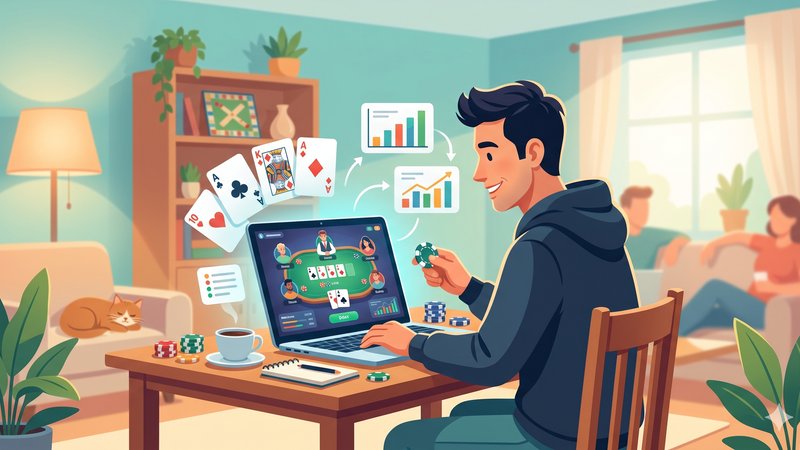
For many, home poker simulators are a way to relax and practice the mechanics of the game without the pressure of a live casino environment. However, it is essential to approach these games with the right mindset. First and foremost, we must provide a clear disclaimer: there are no guaranteed wins in poker. Whether you are playing against an AI or other players, the element of chance is always present.
Understanding the Role of Variance
In our opinion, the most important concept for a casual player to grasp is 'variance.' Variance refers to the inherent swings in results that occur over a short period. You may play a hand perfectly according to a textbook and still lose to a lucky draw on the river. This is a natural part of the game.
According to our methodology, players who understand variance are less likely to engage in 'tilt'—the emotional frustration that often leads to poor decision-making. By accepting that a single hand is not a reflection of skill, you may find the experience more enjoyable.
Stay Safe: Always prioritize responsible gambling. Set a strict budget for your session and stick to it. If you find yourself chasing losses, it may be time to take a break.
Basic Concepts for New Players
If you are new to poker simulators, we suggest focusing on a few core concepts rather than looking for a complex system. In our view, these are the most helpful starting points:
- Position: Being the last to act in a betting round could provide a significant informational advantage.
- Hand Selection: You may find more success by playing fewer hands but playing them more aggressively when you have a strong starting hand.
- Observation: Even in a simulator, observing the patterns of your opponents could help you make more informed decisions.
The Danger of 'Systems'
You may encounter guides online claiming to offer a 'winning strategy' or a 'secret system.' Based on our review of the game's mathematics, we believe these claims are misleading. Poker is a game of incomplete information; while skill can influence the outcome over thousands of hands, no system can remove the randomness of the deck.
Balancing Fun and Discipline
The goal of a home simulator should be entertainment. To keep it that way, we suggest setting a 'stop-loss' limit. Once you reach a certain amount of loss, stop playing for the day. Similarly, setting a 'win-goal' could help you walk away while you are ahead, preventing the common mistake of giving back winnings to the house.
In conclusion, while you can certainly improve your understanding of the game through practice, the most successful players are often those who manage their emotions and their bankroll effectively, rather than those searching for a magic formula.